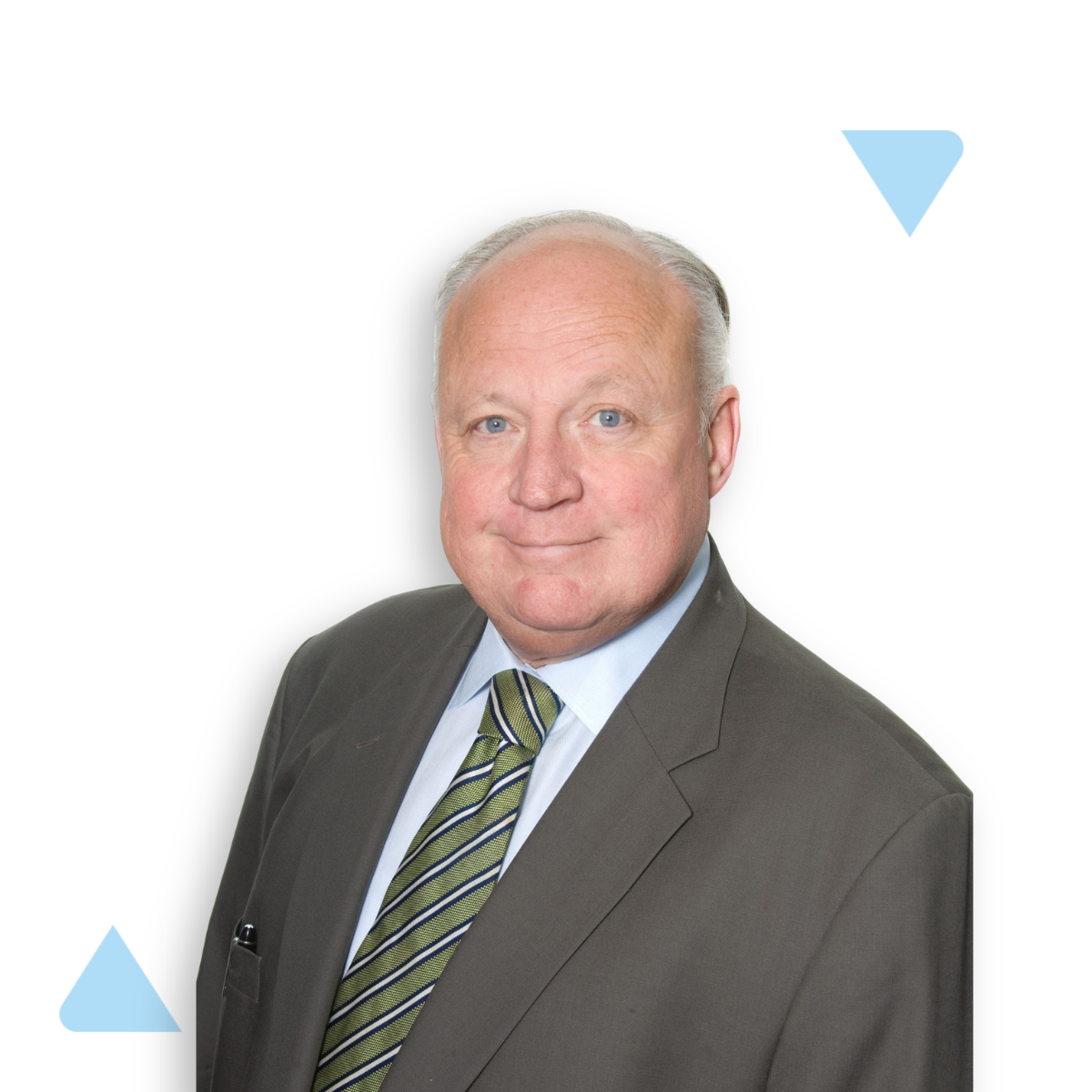
William Wynder is one of two named partners instrumental in forming the Firm in 2003. Since then, Mr. Wynder has dedicated his practice to public service, representing and advising cities, planning commissions, successor agencies, housing authorities, and special districts.
Over the span of his 40-plus-year legal career, Mr. Wynder has specialized in the fields of municipal governance, land use & zoning law, general public law, municipal litigation, constitutional torts, and election matters. Mr. Wynder has served as City Attorney in five cities, with an average tenure of close to 15 years providing legal advice to these communities.
At the end of 2023, Mr. Wynder stepped down as a “full-time” partner. While he continues in his role as City Attorney for the Cities of Rancho Palos Verdes and Cypress. Mr. Wynder now works on special projects for the Firm, including such matters as assisting the City of Carson in the enforcement and collection of its Oil Industry Business License tax involving that city’s major oil refineries.
Most recently, Mr. Wynder was part of a team of firm lawyers that concluded the settlement of nearly 10 years of litigation and the payment of some $430 million by the largest refinery in Southern California to the City of Carson over the next 15 years.
Mr. Wynder is enjoying more time pursuing his outside interests. He, and his wife Carol, are the parents of seven children and the grand-parents of 17 perfect grand-children.
Mr. Wynder was part of a team of litigators who obtained a landmark published ruling from the United States Court of Appeals for the Ninth Circuit reversing a nearly $8 million trial verdict against the City of Carson.
He further briefed and argued an appeal involving in a dispute, spanning almost 13 years, and two trips to the California Court of Appeals. In response to Bill’s arguments, the California Court of Appeals, in a published opinion reported at Carson Harbor Village v. City of Carson (2015) 239 Cal.App.4th 56, acknowledged the error of its prior opinion and ruled in favor of the City.
Mr. Wynder has extensive appellate experience and has acted as counsel (or amicus) in more than a dozen published state and federal appellate decisions, including:
Mr. Wynder succeeded in expanding the protections afforded taxpayers and every public agency in California under Government Code § 1090 (one of the State’s important conflict of interest statutes). In Carson Redevelopment Agency v. Padilla (2006) 140 Cal.App.4th 1323, the Court of Appeals extended the reach of Section 1090 to include a governmental decision to award a contract to private party defendant who was the victim of extortion by a corrupt public official (the court declared the contract void and required the private party defendant to disgorge $1 million in financial benefits back to the local municipality).
Mr. Wynder protected the independence of local administrative agencies in Carson Gardens, LLC v. City of Carson (2006) 135 Cal.App.4th 856.
City Attorney & General Counsel, City of Glendora & Housing Authority (5 years).
City Attorney & General Counsel, City of Rancho Palos Verdes & Housing Authority (5 years).
City Attorney & General Counsel, City of Carson & Carson RDA (over 11 years),
City Attorney& General Counsel, City of Cypress & Cypress RDA (over 16 years),
City Attorney, City of Lawndale & Lawndale RDA (13 years)
Assistant City Attorney, Signal Hill, Irwindale, and Palm Springs (collectively 12 years)
General Counsel, Palmdale Water District (2 years)
General Counsel, Rossmoor Community Services District (10 years)
Special Counsel, Carson Mobilehome Park Rent Review Board (10 years)
Special Counsel, Palm Springs Rent Review Commission (over 11 years)
Mr. Wynder was asked to take a sabbatical from his law practice to serve as the Director of the Historic Kirtland Visitors’ Center, and related sites, for The Church of Jesus Christ of Latter-day Saints. This sprawling complex in Northeastern Ohio hosts some 75,000 visitors annually. During his tenure, Mr. Wynder supervised a staff of 50 docents in publicly exhibiting a “restored” Village of Kirtland, and he coordinated with the work of forensic archeologists, archivists, and site restoration specialists in the Church’s ongoing historic site acquisition, provenance, and preservation activities in this early Mormon community established in the 1830s. Since his return to the Firm, he and his wife return twice a year to serve as volunteer docents at the Kirtland Temple, guiding visitors through this 182-year-old historic structure which was the first of the restoration era temples.